When importing fresh fruits by sea, choosing the right reefer container can directly affect your shipping cost, loading efficiency, product quality, and overall import cost.
For international fruit buyers, the most common options are 20ft reefer containers and 40ft reefer containers. But which one is better?
The answer depends on your product, shipment volume, destination, packaging, and transportation cost.
20ft Reefer vs 40ft Reefer: What Is the Difference?
A reefer container is a refrigerated shipping container designed to maintain controlled temperature and humidity during transportation.
The main difference between 20ft and 40ft reefers is their internal capacity and loading volume.
| Factor | 20ft Reefer | 40ft Reefer |
|---|---|---|
| Container size | Smaller | Larger |
| Cargo capacity | Lower | Higher |
| Suitable shipment | Small to medium volume | Medium to large volume |
| Cost per carton | Usually higher | Usually more competitive |
| Loading efficiency | Limited | Better for full-volume shipments |
| Best for | Trial orders / smaller shipments | Regular commercial shipments |
When Should You Choose a 20ft Reefer?
A 20ft reefer can be a practical choice when you are testing a new supplier or entering a new market.
It is particularly suitable for:
-
Small or medium-volume orders
-
Trial shipments
-
New buyer–supplier relationships
-
Markets where demand is still uncertain
-
Mixed cargo requirements, depending on product compatibility
-
Products with relatively high cargo value compared with freight cost
For example, if an importer wants to test Vietnamese seedless lime, dragon fruit, or other fresh produce before committing to larger volumes, a 20ft reefer can reduce the initial inventory risk.
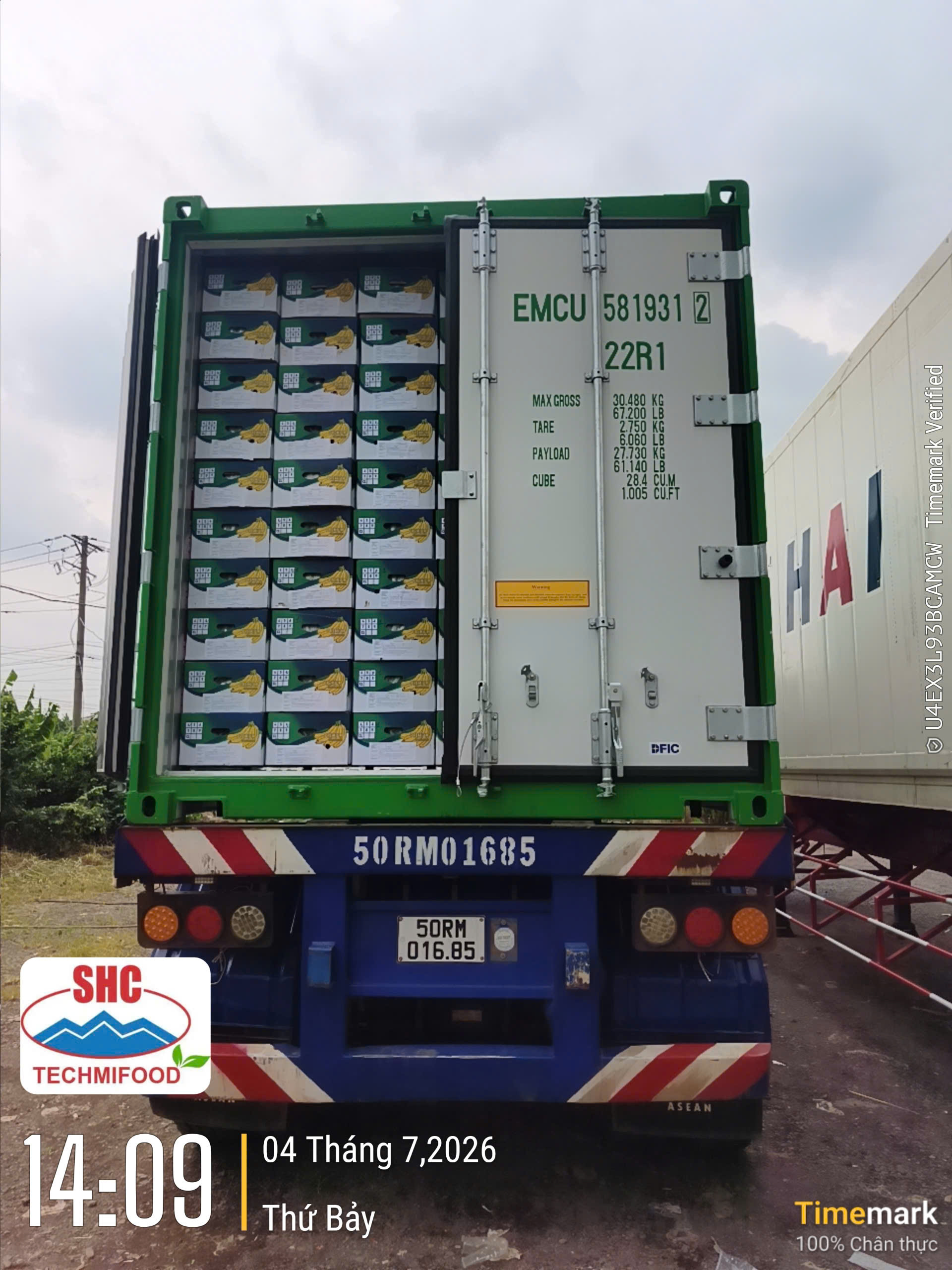
However, the lower capacity means the freight cost per carton can be higher compared with a well-utilized 40ft reefer.
When Is a 40ft Reefer Better?
For regular commercial shipments, a 40ft reefer is generally more cost-efficient when the cargo volume is large enough to utilize the container properly.
A 40ft reefer is often preferred for:
-
Large-volume fruit imports
-
Regular weekly or monthly shipments
-
Established distribution channels
-
Supermarkets and wholesale markets
-
Long-term supply programs
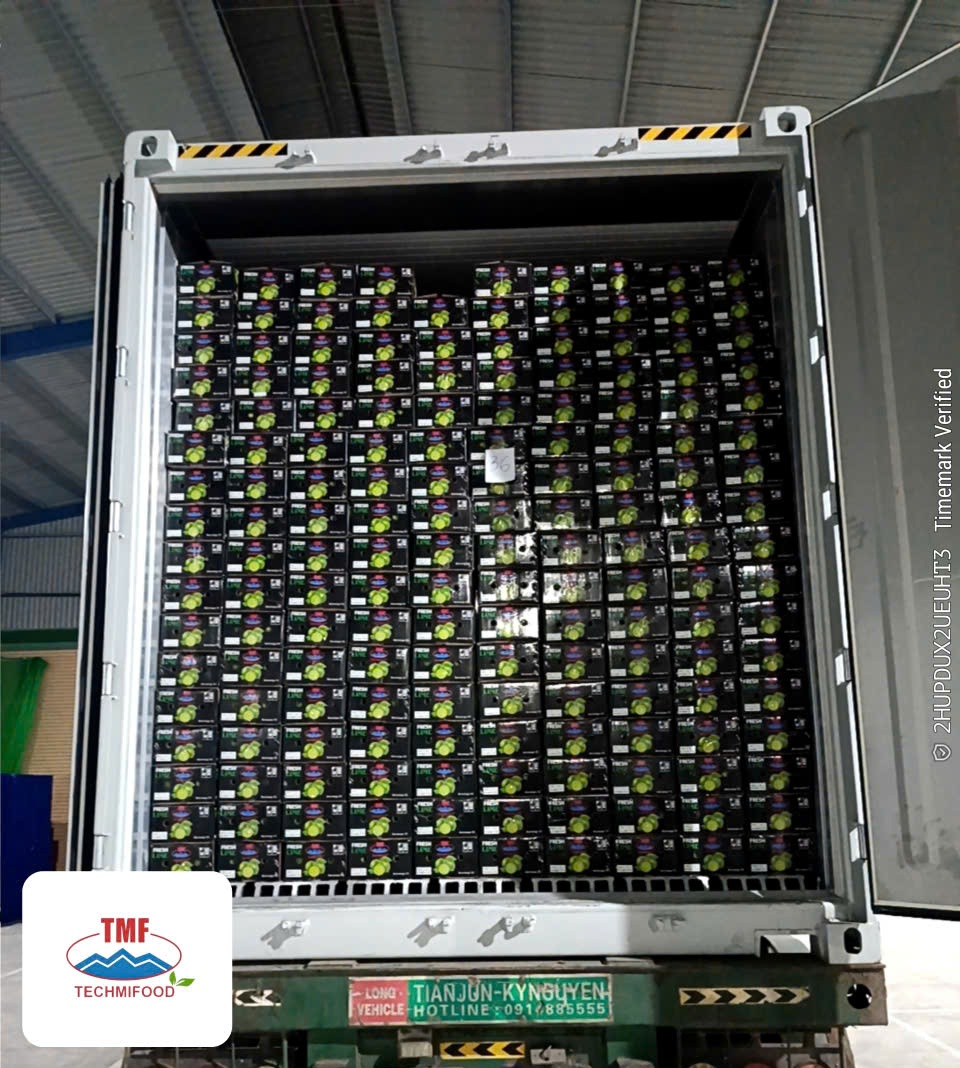
For products such as Vietnamese seedless lime, Cavendish banana, dragon fruit, and other fresh fruits, maximizing the available reefer capacity can significantly improve the logistics cost per carton.
Don't Choose Based on Container Size Alone
A common mistake is assuming that a 40ft reefer is always better because it carries more cargo.
In reality, the right choice depends on your actual loading volume.
If you only have enough cargo to partially fill a 40ft reefer, the additional container capacity may not provide an economic advantage.
For example:
20ft reefer:
Smaller volume + higher utilization → potentially better for a trial shipment.
40ft reefer:
Larger volume + high utilization → generally better cost efficiency for regular commercial shipments.
The key is not simply choosing the largest container, but choosing the container that matches your actual cargo volume.
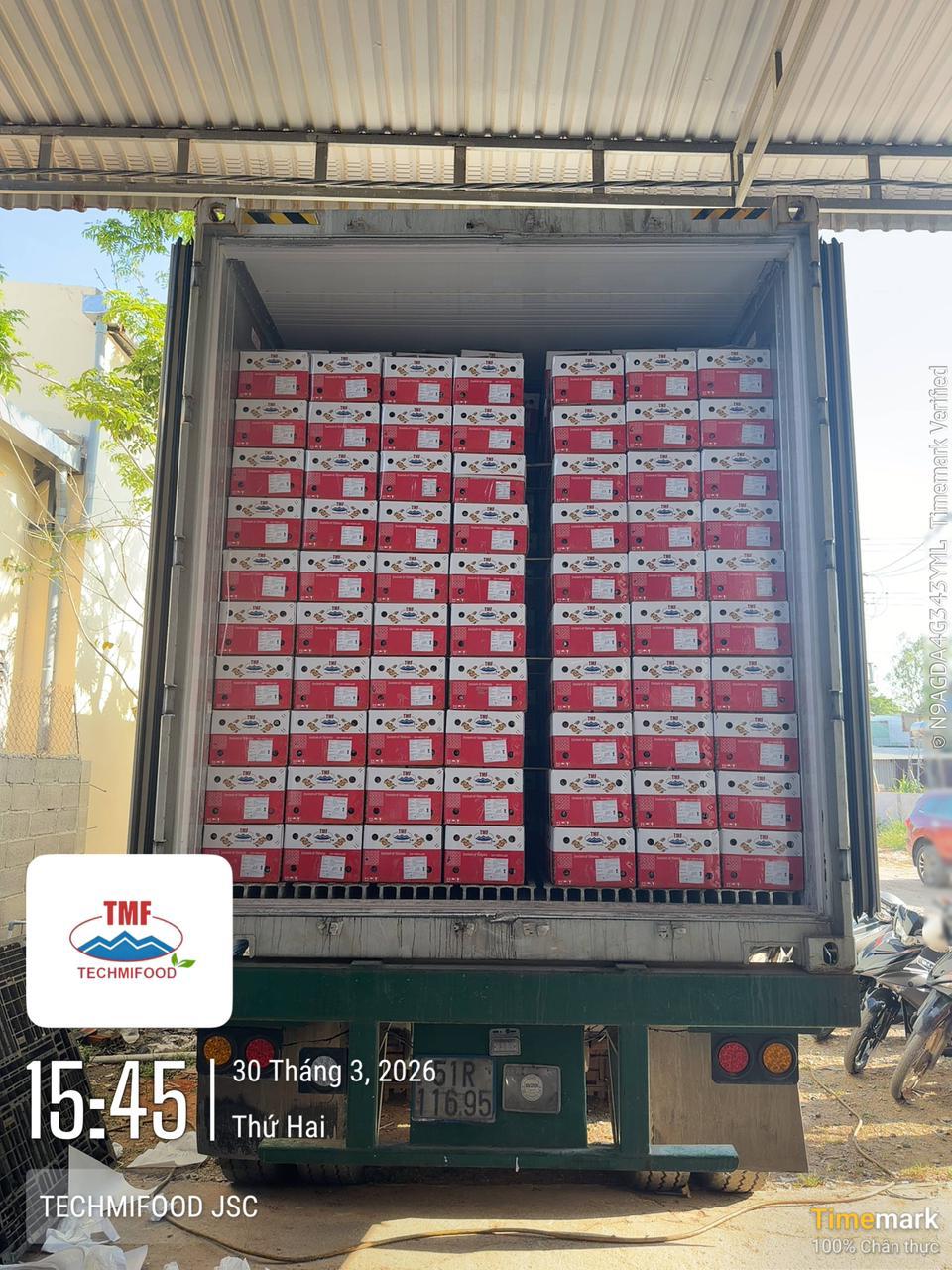
Product Characteristics Also Matter
Fresh fruits are not all transported under the same conditions.
Temperature, ventilation, humidity, shelf life, packaging, and ethylene sensitivity can vary significantly between products.
Before booking a reefer container, importers and exporters should confirm:
-
Required temperature
-
Ventilation requirements
-
Humidity requirements
-
Recommended loading pattern
-
Carton dimensions
-
Total carton quantity
-
Gross and net weight
-
Transit time
-
Destination port
-
Expected storage conditions after arrival
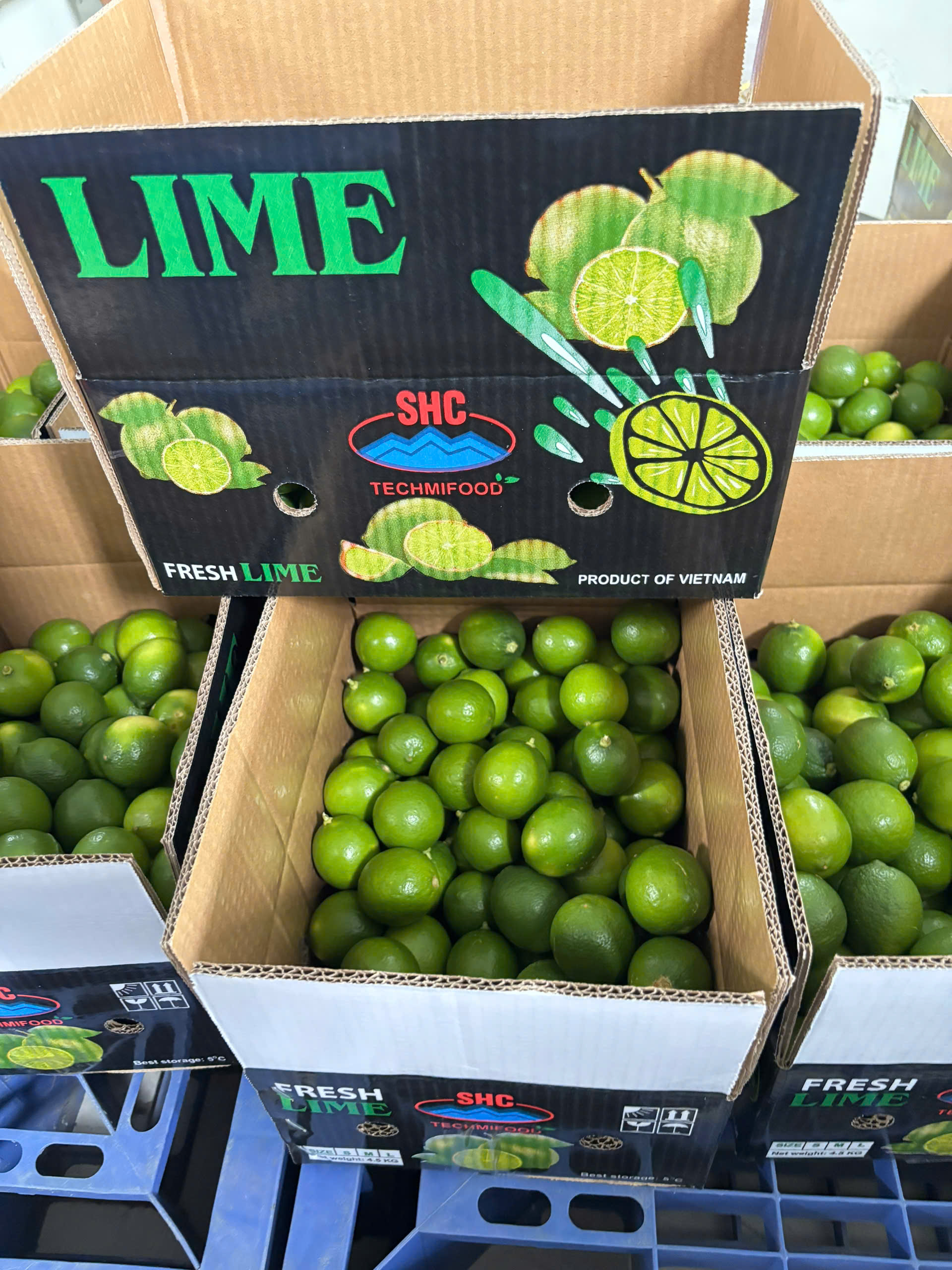
Proper reefer management is especially important for long-distance shipments from Vietnam to markets such as the Middle East, India, Canada, and other international destinations.
20ft or 40ft Reefer: Which One Should You Choose?
For first-time buyers or trial orders, a 20ft reefer can be a practical starting point.
For regular commercial imports with sufficient volume, a 40ft reefer is usually the more efficient option.
A simple way to think about it:
Small volume → 20ft reefer
Large and regular volume → 40ft reefer
High container utilization → better cost efficiency
However, the final decision should always be based on the specific fruit, packaging, loading capacity, shipping route, and freight quotation.
Final Thoughts
Choosing between a 20ft and 40ft reefer container is an important part of fresh fruit logistics.
The best container is not necessarily the biggest one. The goal is to achieve the right balance between cargo volume, product protection, shipping cost, and market demand.
At TECHMIFOOD, we support international buyers in planning fresh fruit shipments from Vietnam, including product selection, packaging, loading plans, and export logistics.
If you are planning to import Vietnamese fresh fruits and are unsure whether a 20ft or 40ft reefer is more suitable for your shipment, our team can help you evaluate the most practical loading option based on your product and destination.