Desiccated coconut is one of the most versatile and widely traded coconut products in the global food industry. Retaining the rich, creamy flavor and aroma of fresh coconut meat, it offers an extended shelf life and high nutritional value.
This comprehensive guide covers what desiccated coconut is, its key health benefits and applications, and the main product grades available for international trade.
1. What Is Desiccated Coconut?
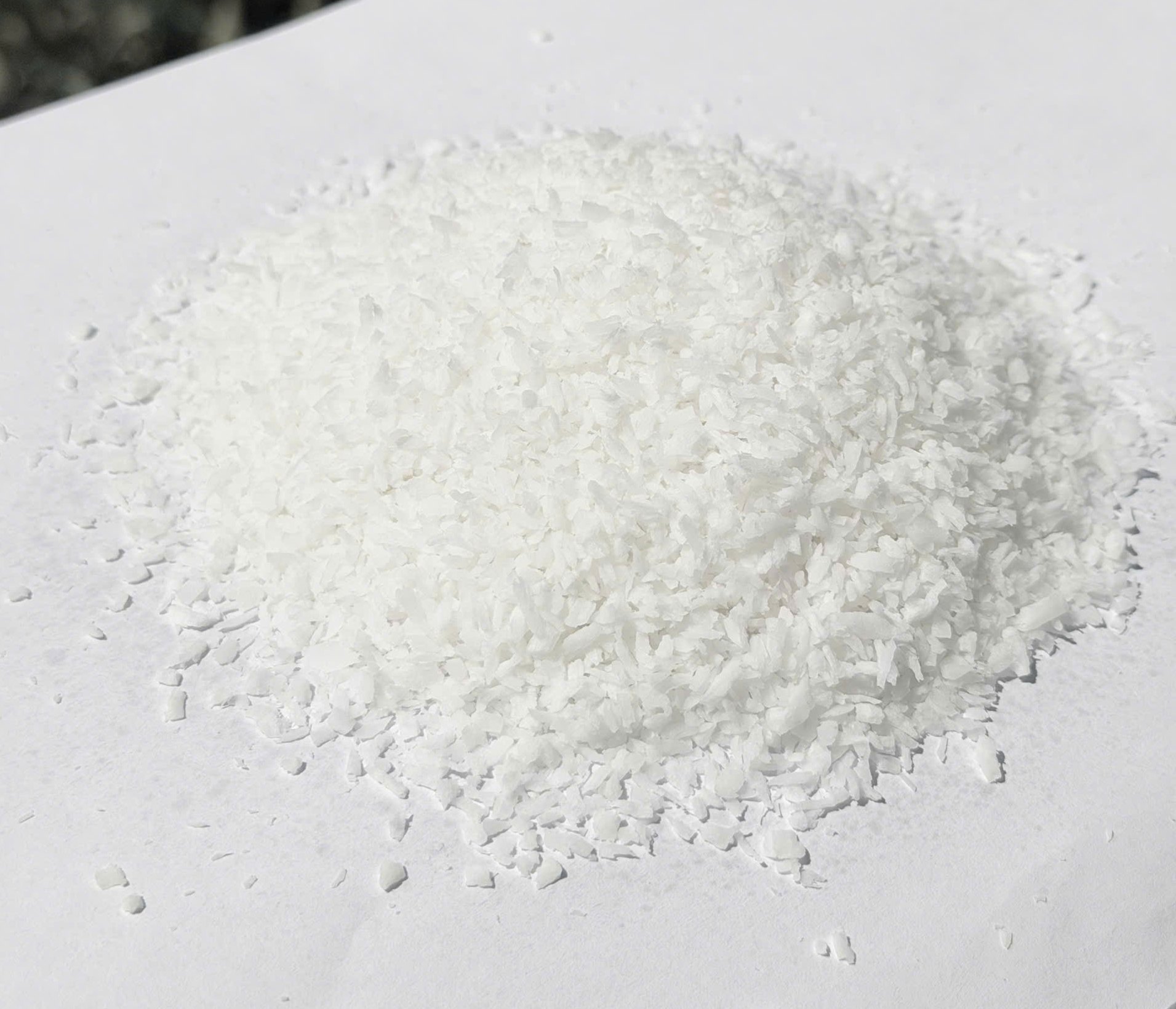
Desiccated coconut is the dehydrated, shredded, or grated white meat extracted from mature, high-quality coconuts.
After removing the outer brown skin (testa), the fresh white coconut meat is washed, sterilized, and dried using modern drying systems to reduce its moisture content to below 3% to 5%.
Key Characteristics:
Color: Natural pure white, free from yellowing or discoloration.
Flavor & Aroma: Fresh, sweet coconut aroma with a rich, buttery taste and no rancidity.
Texture: Crisp, free-flowing, and rich in natural coconut fats.
2. Uses & Key Benefits of Desiccated Coconut
Desiccated coconut is far more than a simple bakery topping; it offers significant health benefits and essential functional uses in industrial food processing.
2.1 Health & Nutritional Benefits
-
Rich in Dietary Fiber: Supports smooth digestion, promotes gut health, and helps maintain healthy cholesterol levels.
-
Packed with Essential Minerals: High in Manganese, Copper, Iron, and Phosphorus, which aid in immune system support, bone density, and red blood cell production.
-
Healthy Fats (MCTs): Contains Medium-Chain Triglycerides (MCTs), which are quickly metabolized by the liver into clean energy rather than stored as body fat.
-
Gluten-Free & Cholesterol-Free: An ideal ingredient for allergen-friendly, vegan, keto, and paleo diets.
2.2 Industrial & Culinary Applications (B2B)
-
Bakery & Confectionery: Used as fillings or coatings for chocolates, biscuits, cakes, donuts, and macaroons.
-
Cereals & Snacks: Blended into granola, muesli, breakfast cereals, and protein bars.
-
Food Processing & Beverage: Added to curries, sauces, ice cream toppings, and smoothies.
-
Oil Extraction: Coarser or industrial grades are processed to extract virgin coconut oil and crude coconut fat.
3. Common Grades of Desiccated Coconut
Desiccated coconut is classified into distinct grades based on particle size and cut shape:
| Grade Name | Cut & Mesh Size | Primary Applications |
| Fine Grade | Very small, powdery particles | Coatings for chocolates, cake fillings, ice cream |
| Medium Grade | Medium-sized granules (2mm – 3mm) | Granola mixes, biscuits, toppings, confectionery |
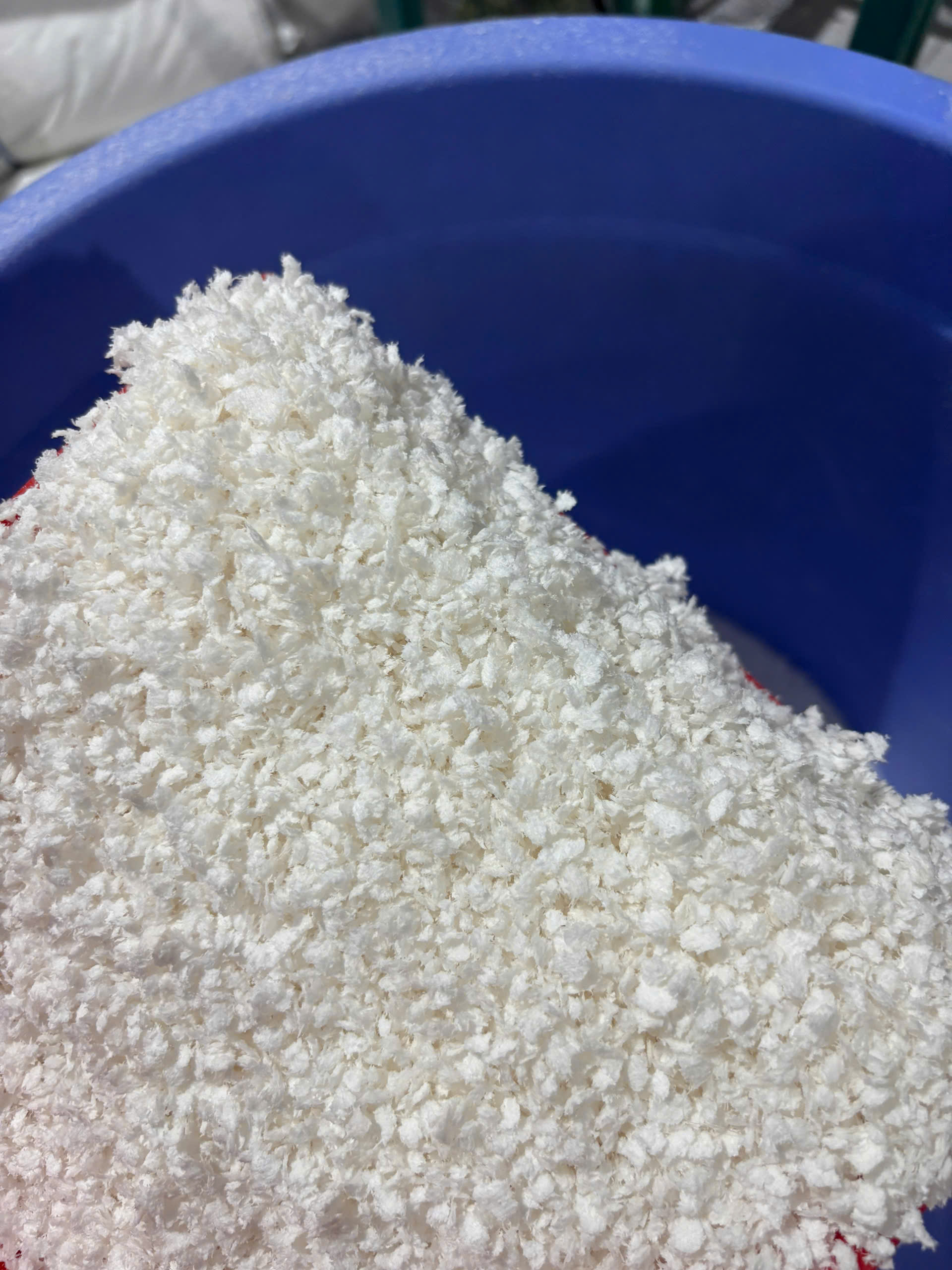
| Flake Grade | Thin, flat flakes | Bakery decorations, toasted coconut snacks |
| Thread / Fancy Shred | Long, slender strands | Topping for cakes, rice desserts, and pastries |
| Chip Grade | Thick, large slices | Packaged coconut chips and healthy snacks |
Standard Export Specifications:
-
Moisture: Max 3.0%
-
Fat Content: High Fat ($\ge 60\%$) or Low Fat ($25\% - 35\%$)
-
Free Fatty Acid (FFA): Max 0.3%
-
Microbiological Standard: Free from Salmonella, E. Coli, and Aflatoxin.
4. Storage & Handling Guidelines
Due to its high natural oil content, desiccated coconut must be stored properly to prevent oxidation and rancidity:
-
Temperature: Store in a cool, dry place (preferably below $20^\circ\text{C}$).
-
Packaging: Packed in multi-ply Kraft paper bags with an inner PE liner or vacuum-sealed packaging to protect against humidity.
-
Sunlight: Keep away from direct sunlight and strong external odors.